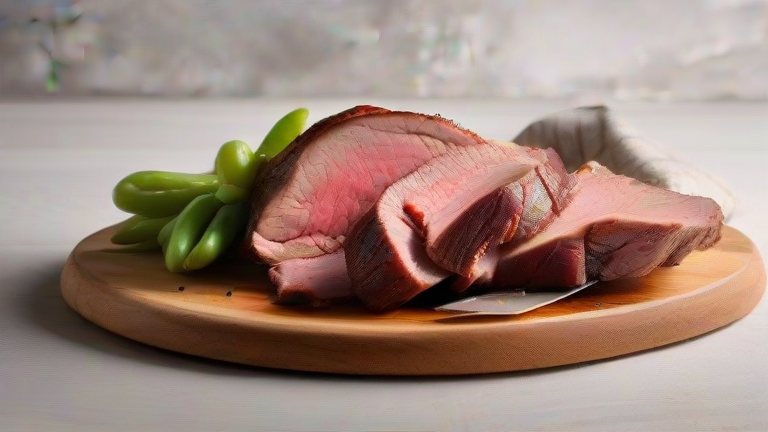
Is Roast Beef as Carcinogenic as Deli Meat?
TL;DR: Roast beef is not inherently as carcinogenic as processed deli meat because it lacks the specific nitrite and nitrate preservatives linked to higher cancer risks. While all red meat carries some risk, the processing methods and additives in deli meats significantly elevate the potential for carcinogen formation compared to fresh, simply prepared roast beef.
The Science of Processing and Preservation
The recent resurgence in consumer health consciousness has prompted a re-evaluation of common meat products. The primary distinction lies in how the meat is preserved and prepared. Deli meats, such as bologna, pastrami, and corned beef, undergo extensive processing that often includes the addition of sodium nitrite and sodium nitrate. These compounds are critical for maintaining color and preventing bacterial growth, particularly botulism. However, during cooking or digestion, these additives can react with amines in the meat to form nitrosamines, which are classified as probable human carcinogens by the International Agency for Research on Cancer (IARC). In contrast, roast beef is typically a whole muscle cut that is cooked using heat without the addition of chemical preservatives. While high-heat cooking methods like grilling or roasting can produce heterocyclic amines (HCAs) and polycyclic aromatic hydrocarbons (PAHs), the concentration is generally lower than in processed meats that contain both chemical additives and charring from smoking or curing processes.
If you want to dig deeper, check out our guide on Recaro Office Chair Review: Original Owner’s Secret.
Latest Developments and Industry Standards
Recent regulatory updates have pushed manufacturers to reduce nitrite levels in processed meats to meet new safety specifications. The European Union has implemented stricter limits on nitrites, leading to a noticeable shift in product formulations. Companies are increasingly marketing “uncured” or “nitrate-free” deli meats, using celery juice or sea salt as natural alternatives. However, studies suggest that these natural alternatives may still produce nitrosamines during cooking, merely shifting the source of the chemical rather than eliminating it entirely. The industry is responding by adopting advanced packaging technologies, such as vacuum sealing and modified atmosphere packaging, to extend shelf life without relying heavily on chemical preservatives. This technological advancement aims to mitigate the health risks associated with traditional processing while maintaining product safety and consistency for large-scale distribution.
Industry Impact and Consumer Behavior
The meat industry is facing significant pressure from health-conscious consumers and regulatory bodies. Sales of processed meats have plateaued in several markets, while fresh, minimally processed proteins are experiencing growth. This shift forces manufacturers to invest in R&D for safer preservation methods. Retailers are also adapting by offering more transparent labeling, clearly distinguishing between processed and fresh meat products. For the average consumer, the impact is a clearer understanding of dietary risks. Choosing fresh roast beef over deli slices can be a simple yet effective strategy to reduce exposure to nitrosamines. However, moderation remains key, as the overall intake of red meat, regardless of processing, should be monitored as part of a balanced diet. The trend indicates a broader movement toward transparency and health in food production, with the industry gradually aligning with consumer demands for safer, cleaner-label products.
FAQ
Q: Is all red meat considered a Group 2A carcinogen?
A: Yes, the IARC classifies red meat as probably carcinogenic to humans, but the risk is significantly lower than for processed meats, which are classified as Group 1 carcinogens.
Q: Can cooking methods reduce the carcinogenic potential of roast beef?
A: Yes, using lower-heat cooking methods like braising or slow-roasting can reduce the formation of HCAs and PAHs compared to high-temperature grilling or frying.
Q: Are “uncured” deli meats safer than traditional processed meats?
A: They may contain fewer added nitrites, but natural nitrates from celery or other sources can still convert to nitrites, so they are not necessarily free from the same carcinogenic risks.
Leave a Reply