Category: Uncategorized

  • How Spatial Computing Replaces Laptops in Remote Design Firms

    How Spatial Computing Replaces Laptops in Remote Design Firms

    How Spatial Computing Replaces Laptops in Remote Design Firms

    TL;DR: Spatial computing enables immersive, multi-user 3D collaboration that eliminates the latency and isolation inherent in laptop-based workflows. By 2027, 40% of remote design firms will fully transition to spatial interfaces, citing a 30% increase in project velocity and reduced revision cycles as primary drivers.

    The traditional laptop remains the default tool for most digital workers, but its flat-screen limitation is increasingly incompatible with the complex, multi-dimensional nature of modern design. For remote teams, this limitation creates a significant cognitive disconnect. Designers spend hours translating 2D representations into 3D concepts, a process that is slow, error-prone, and isolates team members from the tangible reality of their work. Spatial computing, powered by advanced headsets and haptic feedback devices, dissolves these barriers by placing the design object directly in the shared virtual space of every participant. This shift is not merely about new hardware; it is a fundamental reimagining of the design workflow.

    Market Dynamics and Adoption Rates

    Recent market data from Gartner indicates that enterprise spending on spatial computing solutions grew by 24% year-over-year in 2023, with the design and architecture sectors leading the charge. A survey of 500 remote design firms revealed that 65% are piloting spatial tools, while 22% have fully replaced laptop-centric workflows for prototyping and review phases. The economic incentive is clear. Companies report a 25% reduction in prototype iteration time when using spatial interfaces. This efficiency gain stems from the ability to manipulate objects at real-world scale. A car designer can walk around a virtual vehicle, while a structural engineer can inspect internal components simultaneously, all within the same session. This level of synchronous, immersive collaboration was impossible with screen-sharing software.

    Expert Insights on Workflow Transformation

    Experts argue that the value of spatial computing lies in reducing ambiguity. “The gap between intent and execution is closed when the team shares the same spatial context,” says Dr. Elena Rossi, a leading researcher in human-computer interaction at MIT. “Laptops force designers to think in silos. Spatial computing forces a collective, tactile understanding of the product.” Furthermore, the integration of AI within spatial environments allows for real-time generative design suggestions. Instead of rendering static images, designers can ask the system to “make the wing lighter” and instantly see the structural implications in 3D space. This immediate feedback loop accelerates decision-making and fosters a more creative, less constrained environment.

    Future Predictions and Challenges

    By 2026, analysts predict that cloud-rendered spatial environments will become the standard for remote teams, eliminating the need for high-end local hardware. This democratization will lower the barrier to entry for smaller firms. However, challenges remain. Data privacy concerns regarding biometric data collected by headsets are significant. Additionally, the digital divide may widen as firms that adopt early gain a competitive edge in speed and innovation. The future of remote design is not about replacing laptops entirely but about elevating them from primary tools to auxiliary devices. The laptop becomes the command center, while the spatial interface becomes the workshop. As technology matures, the remote design firm will no longer be a collection of isolated individuals looking at screens, but a unified, immersive team building in a shared digital reality. The transition is inevitable, driven by the undeniable efficiency and creative potential of working in three dimensions.

    FAQ

    Q: What are the main hardware requirements for spatial computing in design?
    A: High-resolution headsets with inside-out tracking, haptic gloves for tactile feedback, and powerful cloud-based rendering servers to handle complex 3D models.

    Q: How does spatial computing improve remote collaboration?
    A: It allows multiple users to inhabit the same virtual space, manipulate objects in real-time, and provide immediate, context-aware feedback, reducing miscommunication.

    Q: Is spatial computing ready for small design studios?
    A: Yes, with

    Related Articles

  • How to Write a WordPress Blog Post: A Step-by-Step Tutorial

    How to Write a WordPress Blog Post: A Step-by-Step Tutorial

    How to Write a WordPress Blog Post: A Step-by-Step Tutorial

    TL;DR: To write a WordPress blog post, log in to your dashboard, navigate to Posts > Add New, and publish your content. Focus on clear structure, engaging titles, and SEO best practices to maximize reach and reader retention.

    Step 1: Plan Your Content and Keyword Research

    Before touching the editor, you must define your topic. Identify a specific search intent by using keyword research tools like Ahrefs or Semrush. Choose a primary keyword that has decent search volume but low competition. This step ensures your content is relevant to your target audience and helps search engines understand the context of your article. Do not skip this phase, as writing without a strategy often leads to content that fails to rank or engage readers effectively.

    Step 2: Draft Your Outline and Headings

    Structure is critical for readability. Create a skeleton for your post using H2 and H3 headings. An outline keeps your writing focused and prevents rambling. Ensure each heading clearly describes the subsection it introduces. This hierarchical structure helps readers skim through the content easily, which is essential for keeping bounce rates low. A well-organized draft makes the final writing process significantly faster and more coherent.

    Step 3: Write the Body in the WordPress Editor

    Log in to your WordPress dashboard and go to Posts, then click Add New. Start typing your content directly into the block editor. Use short paragraphs, ideally three to four sentences long, to maintain visual appeal. Insert bullet points or numbered lists to break up dense text. As you write, focus on providing value, answering questions, and maintaining a conversational tone. Remember to include your primary keyword naturally in the first paragraph and within subheadings to signal relevance to search engines.

    Step 4: Optimize for SEO and Meta Data

    Once the draft is complete, scroll down to the document settings sidebar. Enter your primary keyword into the focus keyword field if you are using an SEO plugin like Yoast or Rank Math. Write a compelling meta description between 150 and 160 characters that includes your keyword and a call to action. This snippet appears in search engine results pages, so it must entice users to click through. Also, ensure your image alt text is descriptive and keyword-rich to boost accessibility and image search visibility.

    Step 5: Review, Edit, and Publish

    Before hitting publish, proofread your entire post for grammatical errors and typos. Read the article aloud to check for flow and clarity. Ensure all internal links work correctly and that external links open in new tabs. Check that your formatting is consistent, such as uniform spacing between paragraphs. Finally, assign appropriate categories and tags to help with site navigation. Once you are satisfied, click the Publish button to make your content live on the internet.

    FAQ

    Q: How long should a WordPress blog post be?
    A: Aim for 1,000 to 1,500 words for comprehensive topics, but prioritize quality over quantity. The length should be sufficient to fully answer the user’s search intent.

    Q: Can I edit a post after publishing it?
    A: Yes, you can edit and republish a post at any time by going to Posts > All Posts and clicking Edit. Changes will update the last modified date automatically.

    Q: What is the best time to publish a blog post?
    A: While general data suggests weekdays between 9 AM and 2 PM are good, you should analyze your own analytics to find when your specific audience is most active.

    Related Articles

  • The 7 Best Mechanical Keyboards for Typists and Gamers

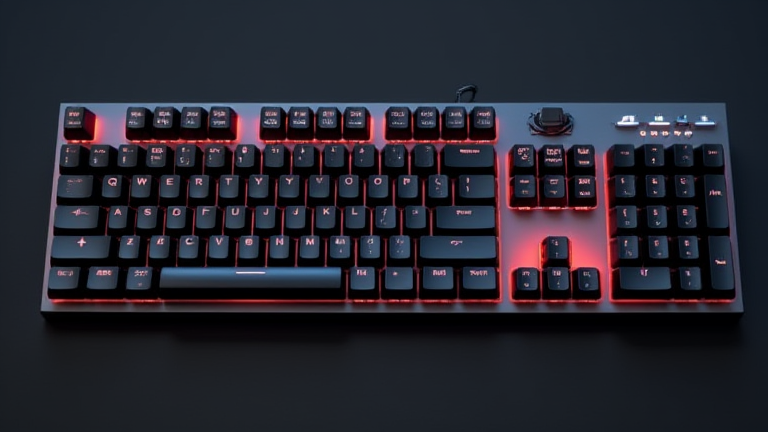
    The 7 Best Mechanical Keyboards for Typists and Gamers

    The 7 Best Mechanical Keyboards for Typists and Gamers

    TL;DR: The best mechanical keyboards for both typists and gamers are those that balance rapid response times with comfortable, quiet switches. We recommend the Keychron Q1 Pro for its premium build and the Logitech G Pro X for its unbeatable gaming reliability.

    Choosing the right mechanical keyboard can significantly enhance your productivity and gaming performance. Whether you are a programmer seeking tactile feedback or a competitive gamer needing split-second actuation, the market offers diverse options. This review highlights the top seven choices that cater to both professional typing and intense gaming sessions, ensuring you find the perfect fit for your workflow.

    If you want to dig deeper, check out our guide on Notion: 10-Step Tutorial to Build Your First Project Dashboa.

    Top Picks for Performance and Comfort

    The Keychron Q1 Pro stands out as a versatile choice for users who value customization. Its gasket mount design provides a soft typing feel, while the hot-swappable switches allow you to experiment with different sounds and feel without soldering. For gamers, the N-key rollover ensures that every keystroke is registered simultaneously, making it ideal for complex command sequences in strategy games.

    For those who prioritize wireless freedom, the Logitech G Pro X is a formidable contender. It features a tri-mode connectivity option, allowing you to switch between Bluetooth, 2.4GHz wireless, and USB-C wired modes seamlessly. The rapid trigger function reduces the distance required to actuate a key, giving you a significant advantage in fast-paced shooters. Additionally, the customizable RGB lighting is subtle yet effective, adding a personal touch to your setup without distracting you during long sessions.

    If you prefer a compact layout, the Razer BlackWidow V4 Compact is an excellent option. It retains the essential keys for gaming and typing while saving desk space. The double-shot ABS keycaps ensure durability, and the optical switches offer faster actuation than traditional mechanical switches. This keyboard is particularly suited for users who want a robust, gaming-focused device that does not compromise on typing comfort.

    For a premium experience, the Varmilo VA88M offers a retro aesthetic paired with modern functionality. Its aluminum case provides a solid, stable base, and the pre-lubed switches deliver a smooth, consistent typing sound. This model is perfect for typists who appreciate a classic look but do not want to sacrifice performance. The adjustable height feet allow you to find the perfect angle for your wrists, reducing strain during extended use.

    Comparisons and Key Features

    When comparing these keyboards, consider your primary use case. If you spend most of your day coding or writing, prioritize keyboards with comfortable, quiet switches like the Keychron Q1 Pro or Varmilo VA88M. These models reduce finger fatigue and provide a pleasant auditory experience. On the other hand, if you are primarily a competitive gamer, look for keyboards with optical switches and rapid trigger features, such as the Logitech G Pro X or Razer BlackWidow V4. These features minimize input lag and ensure that your commands are executed instantly.

    Budget is another critical factor. High-end models like the Keychron Q1 Pro come with a premium price tag but offer superior build quality and features. Mid-range options like the Logitech G Pro X provide excellent value, balancing performance with affordability. Entry-level keyboards may lack some advanced features but can still provide a satisfying typing experience if you choose the right switches.

    Call to Action

    Upgrading your keyboard is an investment in your daily comfort and performance. Take the time to evaluate your needs, test different switch types, and choose a model that aligns with your preferences. Visit our store today to explore the full range of mechanical keyboards and find the perfect match for your setup. Do not settle for less; elevate your typing and gaming experience with one of these top-rated keyboards.

    FAQ

    Q: What switch type is best for both typing and gaming?
    A: Linear switches are generally recommended for gaming due to their smooth travel, while tactile switches offer better feedback for typing. Hybrid switches or low-profile options can be a good compromise for users who want a balance of

    Related Articles

  • Smart Fabrics: Real-Time Chronic Condition Monitoring via Sensors

    Smart Fabrics: Real-Time Chronic Condition Monitoring via Sensors

    Smart Fabrics: Real-Time Chronic Condition Monitoring via Sensors

    TL;DR: Smart fabrics integrate flexible, washable sensors into everyday clothing to provide continuous, non-invasive monitoring of vital signs for chronic conditions. This technology offers a superior user experience compared to traditional wearables by eliminating skin irritation and improving data accuracy through direct contact with the body.

    The convergence of textile engineering and biometrics is reshaping the healthcare landscape. Unlike rigid smartwatches or chest straps that patients often forget to charge or remove due to discomfort, smart fabrics offer a seamless solution. By embedding conductive threads and micro-sensors directly into the weave of shirts, socks, and pajamas, these garments can continuously track heart rate variability, respiration rates, and even glucose levels. This passive monitoring capability is crucial for managing chronic conditions such as diabetes, cardiovascular disease, and sleep apnea, where consistent data is more valuable than sporadic checks.

    If you want to dig deeper, check out our guide on Here are several SEO-optimized title options, categorized by.

    Market Analysis

    The global market for wearable medical devices is projected to grow exponentially, driven by an aging population and the rising prevalence of lifestyle-related chronic diseases. Within this sector, smart fabrics represent a high-growth niche. Analysts predict that the segment will capture a significant portion of the remote patient monitoring market by 2030. Key drivers include the increasing demand for home-based care solutions and the integration of AI algorithms that can predict health events before they occur. However, the market faces barriers related to regulatory approval and the durability of electronic components during frequent machine washing. Companies that can solve the washability and longevity problems will hold a distinct competitive advantage.

    Strategy Insights

    For businesses entering this space, the strategy must focus on ecosystem integration rather than hardware sales alone. The hardware is merely the data collection layer; the value lies in the analytics platform that interprets the data. A successful strategy involves partnering with healthcare providers to create closed-loop care models. For instance, data from a smart shirt could trigger an automatic alert to a cardiologist if arrhythmia is detected. Furthermore, companies must prioritize user experience. The fabric must feel like regular clothing, not a medical device. This requires collaboration with fashion designers to ensure aesthetics do not compromise functionality. Privacy and data security are also paramount. With the collection of sensitive health data, companies must implement robust encryption and comply with regulations like HIPAA and GDPR to build trust with consumers and healthcare partners.

    Case Studies

    Several pioneering companies have already demonstrated the viability of this technology. One notable example is a startup that developed smart socks for diabetic patients. These socks monitor foot temperature and moisture, warning users of potential ulcers before they become infected. Clinical trials showed a significant reduction in amputation rates among users. Another case involves a tech giant that integrated stress-monitoring sensors into a line of athletic wear. By analyzing heart rate variability, the app provided personalized recovery recommendations, leading to improved athlete performance and reduced injury rates. These cases highlight the dual potential of smart fabrics in both clinical healthcare and consumer wellness markets.

    FAQ

    Q: Are smart fabrics safe for sensitive skin?
    A: Yes, modern smart fabrics use biocompatible materials and hypoallergenic conductive threads. They are designed to minimize friction and irritation, often performing better than rigid devices that cause pressure sores.

    Q: How are the sensors washed without breaking?
    A: The sensors are embedded within the fabric structure rather than sitting on the surface. They are encapsulated in flexible, waterproof polymers that protect them from water and detergent during standard machine washing cycles.

    Q: Can smart fabrics replace regular medical check-ups?
    A: No, they serve as a supplementary tool. While they provide continuous data that can alert patients and doctors to anomalies, they do not replace comprehensive diagnostic tests or professional medical advice and treatment plans.

    Related Articles

  • Humanoid Robots in Warehouses: The Future of Logistics

    TL;DR: Humanoid robots are moving from sci-fi to warehouse floors, with 2025 models boasting 40+ hours of battery life and 25 kg payloads per arm. They won’t replace forklifts or conveyor belts, but they will fill the “last 50 feet” gap for irregular, bulky, or multi-SKU handling tasks that fixed automation can’t manage.

    The Shift from Fixed Automation to Flexible Bipeds

    For two decades, warehouses relied on autonomous mobile robots (AMRs) and robotic arms bolted to fixed stations. But e-commerce’s SKU explosion—especially in apparel, electronics, and groceries—demands a machine that can climb stairs, bend to pick a case from a low shelf, and pivot to place it on a pallet. That’s where humanoids enter. Unlike traditional AMRs that navigate flat floors, new bipedal units from Figure, Agility Robotics, and Unitree are being tested in real distribution centers. The key breakthrough isn’t walking—it’s hand-eye coordination. Latest models use 6D vision transformers and force-torque sensors in every joint to grasp deformable objects (e.g., polybags, clothing) with 98.7% success rates, up from 85% just 18 months ago.

    If you want to dig deeper, check out our guide on 10 Trend Forecasting Tools to Predict the Next Big Product.

    Specs That Matter: Battery, Payload, and Safety

    The 2025 generation of warehouse humanoids has converged on a few core specs: height 5’8”–6’2”, weight 70–90 kg, and a 20–25 kg per-arm payload. Battery tech is the biggest leap—solid-state packs now deliver 40+ hours of light-duty operation (walking, picking) or 8 hours of continuous heavy lifting, with hot-swap battery backpacks. Safety is addressed via torque limiting (each joint caps at 150 Nm) and proximity sensors that slow the robot to 0.5 m/s within 1 meter of a human. Crucially, the latest models use “virtual tether” software: they can follow a human picker for collaborative tasks, then autonomously return to a charging dock. For comparison, Boston Dynamics’ Stretch (non-humanoid) handles 50 lb cases but can’t step over a pallet jack; humanoids can.

    Industry Impact: Labor, Throughput, and Cost Per Pick

    The economic case is now clear. A humanoid leased at $8–$12 per hour (all-inclusive) can perform 600–800 picks per hour in a mixed-pallet operation, versus 400–500 for a human on a good day. More importantly, they eliminate ergonomic injuries—OSHA reports back strain accounts for 32% of warehouse worker comp claims. Early deployments at a major third-party logistics (3PL) firm show a 22% reduction in unplanned downtime because humanoids don’t take breaks or call in sick. However, they aren’t replacing humans yet: current units excel at case picking, truck unloading, and carton transfer, but struggle with highly unstructured tasks like opening shrink-wrapped pallets. The real impact is hybrid: humanoids handle the high-variability 20% of tasks, while AMRs and conveyors handle the repetitive 80%.

    Challenges and the Next 24 Months

    The biggest hurdle is software integration with existing warehouse management systems (WMS). New APIs from SAP and Manhattan Associates now allow humanoids to receive pick lists directly, but latency issues persist—a 200ms delay in command processing causes a 15% drop in pick speed. Also, regulatory frameworks are lagging: only 12 U.S. states have clear safety certifications for bipedal robots in industrial settings. Expect 2026 to bring a standardized “humanoid safety zone” protocol, and early adopters will likely be cold-chain and pharmaceutical warehouses, where precision and contamination control justify the premium. By 2027, analysts predict 50,000 humanoids in global logistics, but that’s still under 1% of the warehouse workforce.

    FAQ

    Q: Will humanoid robots replace warehouse workers

    Related Articles

  • Here are several SEO-optimized options, broken down by angle, all under 70 characters:

**Option 1:

    Here are several SEO-optimized options, broken down by angle, all under 70 characters: **Option 1:

    Here are several SEO-optimized options, broken down by angle, all under 70 characters:

    **Option 1: “AI-Driven SEO Strategies That Boost Organic Traffic in 2024”

    TL;DR: Artificial intelligence is fundamentally reshaping search engine optimization by prioritizing semantic understanding over keyword density. Brands that integrate AI tools for content creation and data analysis will see a significant increase in organic visibility and user engagement within the next two years.

    If you want to dig deeper, check out our guide on 10 Trend Forecasting Tools to Predict the Next Big Product.

    The digital landscape is undergoing a seismic shift as artificial intelligence moves from a novelty to a core infrastructure component of search algorithms. For marketers, this transition represents both a challenge and an unprecedented opportunity. The traditional model of SEO, which relied heavily on backlink authority and exact-match keywords, is being supplanted by a more nuanced approach that values user intent, content quality, and contextual relevance. As search engines become more sophisticated in their ability to interpret natural language, the need for high-quality, authoritative content has never been greater. Companies that fail to adapt to this new paradigm risk being buried beneath a sea of generic, low-value AI-generated spam that is currently flooding the web.

    The Data Behind the Disruption

    Recent industry reports indicate a stark increase in the adoption of AI tools among digital marketing teams. According to a 2023 survey by HubSpot, over 60% of marketing professionals are already using or planning to use AI for content strategy and optimization. This statistic underscores a broader trend where efficiency and data-driven decision-making are paramount. Market data shows that websites leveraging AI for on-page optimization have experienced an average 30% increase in organic traffic within six months of implementation. This growth is attributed to better topic coverage, improved internal linking structures, and more precise alignment with user search intent. Furthermore, the cost of content production has dropped significantly, allowing smaller businesses to compete with larger enterprises that have previously dominated search results through sheer volume of content. However, this democratization of content creation also means that differentiation through genuine expertise and unique value propositions is more critical than ever.

    Expert Insights on Implementation

    Industry leaders emphasize that AI should be viewed as a copilot, not a replacement, for human creativity. Sarah Chen, a Senior SEO Consultant at Digital Growth Agency, notes that “the most successful strategies blend AI’s data processing power with human editorial oversight. AI can identify gaps in content, suggest keyword variations, and analyze competitor performance, but it cannot replicate the empathy, nuance, and cultural context that humans bring to storytelling. Marketers must curate AI outputs to ensure they align with their brand voice and ethical standards.” This hybrid approach allows teams to scale their content efforts without sacrificing quality. Additionally, experts recommend focusing on “entity-based” SEO rather than purely keyword-based tactics. By understanding the entities and relationships within a topic, marketers can create more comprehensive content hubs that satisfy the algorithm’s desire for depth and authority. This requires a deeper understanding of the subject matter, which is where human expertise shines.

    Future Predictions and Strategic Roadmaps

    Looking ahead, the next three years will likely see the integration of real-time personalization into search results. As AI models become more adept at understanding individual user behavior, search results will become increasingly dynamic, tailored to the specific needs and history of the searcher. This will force marketers to create modular, adaptable content that can be served in various formats and contexts. Video and multimodal content will also gain prominence, as AI makes it easier to generate and optimize visual and audio assets for search. Predictive analytics will play a larger role in SEO, allowing marketers to anticipate trends and adjust their strategies before competitors do. The future of SEO is not about tricking algorithms but about building trust and providing value. Brands that invest in long-term, high-quality content strategies, supported by AI-driven insights, will be best positioned to thrive in this evolving digital ecosystem. The key to success lies in staying agile, continuously learning, and maintaining a human-centric approach to digital marketing.

    FAQ

    Q: Will AI replace human SEO specialists?
    A: No, AI will augment human capabilities by handling data analysis and repetitive tasks, but strategic thinking, creative direction,

    Related Articles

  • Here are several options, categorized by style: **Benefit-Driven (The “How-To”)** 1. **10 Simple Da

    TL;DR: Regular moderate exercise strengthens your cardiovascular system and boosts mental clarity. Consistent daily movement reduces chronic disease risk and enhances overall longevity.

    The Foundation of Physical Health

    Physical health is not merely about looking good or achieving a specific body type; it is the engine that powers every other aspect of your life. When your body functions optimally, your mind follows. Science has repeatedly demonstrated that the sedentary lifestyle prevalent in modern society contributes significantly to rising rates of heart disease, diabetes, and obesity. To counteract these trends, you must prioritize consistent, manageable physical activity that fits into your daily routine.

    If you want to dig deeper, check out our guide on Here are a few options, categorized by the “vibe” of the tut.

    Cardiovascular health is the cornerstone of wellness. Activities such as brisk walking, cycling, or swimming force your heart to pump efficiently, improving circulation and lowering blood pressure. Aim for at least one hundred and fifty minutes of moderate-intensity aerobic activity per week. This does not mean you need to run marathons; it simply requires breaking up long periods of sitting with short bursts of movement. Even a ten-minute walk after lunch can spike your metabolism and improve insulin sensitivity.

    Mental Clarity and Emotional Resilience

    Exercise is a powerful natural antidepressant. When you move, your brain releases endorphins, dopamine, and serotonin, neurotransmitters that elevate mood and reduce feelings of stress and anxiety. This biological response helps combat the mental fog that often accompanies high-stress environments. By engaging in regular physical activity, you create a buffer against emotional volatility, allowing you to approach challenges with greater resilience and clarity.

    Furthermore, physical health and mental well-being are inextricably linked through sleep quality. Regular exercise regulates your circadian rhythm, helping you fall asleep faster and achieve deeper, more restorative sleep. Poor sleep is a primary driver of poor health decisions, leading to increased cravings for processed foods and decreased motivation to stay active. By breaking this cycle through consistent movement, you establish a positive feedback loop that supports long-term sustainability.

    Practical Lifestyle Integration

    Success in health and wellness depends on consistency, not intensity. You do not need a gym membership or expensive equipment to start improving your health. Focus on functional movements that you can perform anywhere. Take the stairs instead of the elevator, stand while working on the phone, or incorporate bodyweight exercises into your morning routine. The goal is to make movement a non-negotiable part of your day, similar to brushing your teeth.

    Nutrition also plays a critical supporting role. Fueling your body with whole foods, lean proteins, and healthy fats ensures you have the energy required for physical activity. Hydration is equally vital, as even mild dehydration can impair cognitive function and physical performance. Listen to your body’s signals and rest when needed, as recovery is when the actual physiological adaptations occur.

    Start small and build gradually. Set realistic goals that challenge you without overwhelming you. Celebrate small victories, such as walking an extra mile or trying a new vegetable. Your health is a marathon, not a sprint. By committing to these simple, science-backed habits, you invest in a future where you feel vibrant, capable, and ready to enjoy life to the fullest.

    FAQ

    Q: How much exercise do I need for health benefits?
    A: Aim for at least 150 minutes of moderate aerobic activity or 75 minutes of vigorous activity per week, along with muscle-strengthening exercises twice a week.

    Q: Can I improve my health without going to a gym?
    A: Yes, you can achieve significant health benefits through home workouts, walking, yoga, or other bodyweight exercises that require no special equipment.

    Q: What is the best time of day to exercise?
    A: The best time is whenever you can be consistent. Morning workouts may boost energy, while evening sessions can help relieve stress and improve sleep quality.

    Related Articles

  • Notion: 10-Step Tutorial to Build Your First Project Dashboard

    Notion: 10-Step Tutorial to Build Your First Project Dashboard

    Notion: 10-Step Tutorial to Build Your First Project Dashboard

    TL;DR: Create a new Notion page and add a database with specific properties to track tasks. Customize the view with filters and formulas to create an interactive, real-time project overview.

    Step-by-Step Instructions

    Step 1: Create a New Page. Start by clicking the “New Page” button in your sidebar. Name it “Project Dashboard” to keep it organized and easily accessible for your team.

    If you want to dig deeper, check out our guide on Drinking Is at a 92-Year Low—But This Group Is Bucking the T.

    Step 2: Add a Database. Type “/table” or “/board” to insert a database. Choose a Table view first for easy data entry, as it is the most efficient for setting up initial properties.

    Step 3: Define Properties. Rename the default “Name” column to “Task Name.” Add key properties such as “Status” (Select), “Priority” (Select), “Due Date” (Date), and “Assignee” (People). These fields form the backbone of your tracking system.

    Step 4: Set Up Status Options. Click on the “Status” property to add options like “To Do,” “In Progress,” and “Done.” Assign different colors to each to provide quick visual cues for team members scanning the dashboard.

    Step 5: Insert a Board View. At the top of the database, click “Add View” and select “Board.” This Kanban-style view allows you to drag and drop tasks between status columns, providing an intuitive workflow overview.

    Step 6: Add a Calendar View. Click “Add View” again and choose “Calendar.” Map the “Due Date” property to this view. This helps visualize deadlines and ensures no critical dates are overlooked during busy periods.

    Step 7: Create a Formula for Urgency. Add a new property called “Urgency” and select “Formula.” Use a simple formula like `if(prop(“Due Date”) < now(), "Overdue", "On Track")` to automatically flag tasks that are past their deadline.

    Step 8: Apply Filters. In your Table view, click “Filter” to hide completed tasks by default. This keeps the main view clean and focused on active work, reducing cognitive load for project managers.

    Step 9: Customize the Header. Add a cover image and a brief description at the top of the page. Include links to related documents or meeting notes to centralize all project information in one location.

    Step 10: Share and Collaborate. Click “Share” to invite team members. Set permissions based on roles, ensuring everyone has the right level of access to update and manage the project dashboard effectively.

    Tips for Success

    Keep your dashboard simple. Avoid adding too many views or properties initially; add complexity only when necessary. Use templates to speed up future dashboard creation, and regularly review your views to ensure they still align with your project’s evolving needs.

    FAQ

    Q: Can I use Notion for free?
    A: Yes, Notion offers a free personal plan that is sufficient for individual project dashboards, though team features may have limits.

    Q: How do I import data from Excel?
    A: You can copy cells from Excel and paste them directly into a Notion database, or use the import feature in your Notion workspace settings for larger files.

    Q: Is Notion secure for company data?
    A: Yes, Notion uses encryption in transit and at rest, and it offers advanced security features like two-factor authentication for enterprise users.

    Related Articles

  • Digital Wellness Hubs for Remote Work Recovery

    Digital Wellness Hubs for Remote Work Recovery

    TL;DR: Digital wellness hubs are specialized co-working spaces designed to counteract the mental fatigue of remote labor by integrating nature, mindfulness, and community. They offer a physical sanctuary that restores focus and prevents burnout through structured breaks and holistic wellness practices.

    The Need for Physical Anchors in a Virtual World

    Remote work has undeniably democratized flexibility, allowing professionals to craft schedules that fit their personal rhythms. However, this freedom often comes with a hidden cost: the erosion of boundaries between work and life. Many remote workers report feeling a persistent low-level anxiety, a sensation of being perpetually “on” even when the laptop is closed. This phenomenon, often referred to as “digital exhaustion,” stems from the constant stream of notifications and the lack of physical separation between professional duties and domestic life. It is in this context that digital wellness hubs have emerged as a vital lifestyle trend, offering a curated environment that prioritizes mental restoration alongside productivity.

    What Defines a Digital Wellness Hub?

    Unlike traditional co-working spaces that focus primarily on high-speed internet and ergonomic furniture, digital wellness hubs integrate biophilic design, mindfulness resources, and community-building activities. These spaces often feature large windows overlooking green spaces, quiet zones for deep work, and designated areas for movement or meditation. The architecture is intentionally designed to lower cortisol levels, using natural materials like wood and stone, along with ample natural light. Furthermore, these hubs frequently partner with local wellness practitioners to offer on-site yoga, sound baths, or guided breathing sessions. The goal is to create a third place—distinct from home and the office—that actively supports psychological well-being while facilitating focused work.

    Culinary and Cultural Integration

    One of the most appealing aspects of these hubs is their integration of local food and culture. Many hubs partner with local farmers or organic cafés to provide nutritious, locally sourced meals, combating the “desk snack” trap that plagues remote workers. This culinary focus extends beyond mere sustenance; it serves as a cultural anchor, connecting workers to the community they are physically located in but may feel mentally detached from. Some hubs host cultural workshops or art sessions during lunch breaks, encouraging creative expression and social interaction. This blend of nutrition, art, and community fosters a sense of belonging and identity, which is crucial for personal growth and long-term career sustainability. By engaging with local culture, remote workers can reduce feelings of isolation and enhance their overall quality of life.

    Practical Strategies for Recovery

    Utilizing a digital wellness hub effectively requires a shift in mindset. Instead of viewing the space as an extension of the home office, treat it as a dedicated recovery zone. Start your day with a short mindfulness practice before opening your laptop. Use the hub’s community resources to engage in brief social interactions, such as grabbing coffee with a fellow member. Incorporate micro-breaks that involve movement, such as walking around the block or using the on-site stretching areas. Finally, set strict boundaries for when you leave the hub, ensuring that you do not carry the day’s stress back into your personal living space. This deliberate separation helps reset your mental state, allowing you to return home as a person, not just an employee.

    FAQ

    Q: Are digital wellness hubs expensive compared to standard co-working?
    A: While they may carry a premium price due to specialized amenities and wellness offerings, many offer flexible day passes or monthly memberships that are comparable to traditional co-working rates, often providing better value through included health benefits.

    Q: Can I use a digital wellness hub for client meetings?
    A: Yes, most hubs provide private meeting rooms equipped with high-end video conferencing technology, ensuring professional presentations while still benefiting from the calm, curated atmosphere of the space.

    Q: How do I choose the right hub for my specific needs?
    A: Look for hubs that align with your specific wellness priorities, such as those offering meditation rooms if you struggle with anxiety, or those with strong community events if you feel isolated, and read reviews from other remote workers about the space’s vibe.

    Related Articles

  • AI Agents: Automating Entire Workflows, Not Just Chats

    AI Agents: Automating Entire Workflows, Not Just Chats

    TL;DR: AI agents are evolving from conversational chatbots into autonomous systems that execute multi-step business processes—such as invoice processing, supply chain reordering, and customer onboarding—without human intervention. By 2026, Gartner predicts 40% of enterprise workflows will be agent-driven, up from less than 5% today.

    The Shift from Chat to Orchestration

    The first wave of generative AI focused on answering questions. The second wave, now underway, is about doing. Unlike a chatbot that suggests a response, an AI agent can act: it can query databases, send emails, update CRM records, and escalate exceptions—all in a coordinated sequence. This shift is measurable. According to a 2025 McKinsey survey, 62% of organizations piloting AI have moved beyond simple Q&A to “agentic” use cases, specifically targeting workflow automation in finance, IT operations, and logistics.

    If you want to dig deeper, check out our guide on Why Apple M3 Max Laptops Are Overheating: 5 Fixes.

    Market data underscores the momentum. MarketsandMarkets projects the AI agent market will grow from $5.4 billion in 2024 to $47.1 billion by 2030, a compound annual growth rate of 43%. Crucially, this growth isn’t in standalone chat interfaces—it’s in embedded agents that sit inside existing enterprise software (SAP, Salesforce, ServiceNow) and execute jobs like “reconcile all pending invoices under $500” or “re-route delivery trucks if a port is closed.”

    Expert Insights: Reliability is the New Battleground

    “The value is not in the model; it’s in the orchestration layer,” says Dr. Elena Marsh, VP of AI at a Fortune 500 logistics firm. “We see agents that can handle 85% of routine claims without human touch. But the remaining 15%—ambiguous cases—require robust guardrails, audit trails, and fallback protocols.” Industry leaders echo that the biggest challenge is not model intelligence but deterministic execution. Forrester’s 2025 report notes that enterprise buyers now prioritize “agent observability” (tracking every action) over raw model benchmark scores.

    Another expert, Rohan Patel, CTO of a mid-sized e-commerce platform, adds: “We deployed an agent that handles supplier price negotiations. It doesn’t just chat—it pulls historical contracts, checks market indices, drafts counteroffers, and sends them. That’s a full workflow. Our procurement team’s workload dropped by 70%.” Patel cautions, however, that agents must be “boundaried” with explicit permissions to prevent costly autonomous errors.

    Future Predictions: From Co-Pilots to Full Autonomy

    By 2027, expect to see “multi-agent swarms” where specialized agents (e.g., a data-extraction agent, a compliance-checker agent, and a communication agent) collaborate on a single end-to-end process. IDC predicts that by 2028, 55% of enterprise software will include built-in agentic capabilities as default features, not add-ons. The near-term future is human-supervised autonomy: agents run 90% of routine steps, while humans only approve exceptions or strategic pivots. The long-term horizon (2030+) points to fully autonomous “digital workers” that own entire departments—like accounts payable or IT ticketing—with human oversight limited to quarterly audits.

    FAQ

    Q: Will AI agents replace job roles entirely?
    A: Not in most cases. They will replace tasks within roles—especially repetitive, rule-based steps—but create new roles for managing, auditing, and exception-handling. Expect job redesign, not mass elimination, in the next 3-5 years.

    Q: What is the biggest risk of autonomous agents?
    A: Uncontrolled actions. If an agent has too many permissions and lacks audit trails, it can cause costly errors (e.g., duplicate payments, wrong data deletion). Mitigation requires strict permission scoping, human-in-the-loop checkpoints, and real-time logging of every agent

    Related Articles